You notice the little things first. Your teen covers their mouth when they laugh, avoids photos, or complains that certain foods are hard to bite. Maybe they have started brushing well but still struggle with sore gums or crowded teeth. You are not overreacting by paying attention to those changes. The teen years are often when alignment issues become harder to ignore, and they can affect comfort, confidence, and long term oral health. For families exploring options like cosmetic dental care in Hesperia, CA, these concerns can be an important sign that it is time to seek professional guidance.
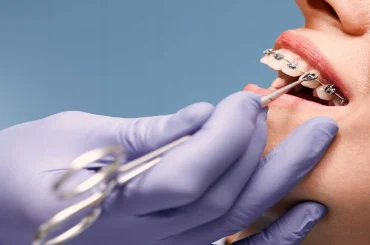
Orthodontic concerns rarely show up as one dramatic problem. They build slowly. A bite that feels off, teeth that overlap, speech that sounds slightly different, jaw tension after meals. When those patterns start interfering with daily life, family oriented orthodontic care can help by looking at the full picture, not just the teeth. A family dentist can often spot early signs, explain what is happening in plain language, and help you decide whether your teen needs monitoring, treatment, or a referral for more specialized care.
Changes in Confidence Often Point to More Than a Cosmetic Concern
Teens live in a world where appearance can feel brutally important. If your child suddenly stops smiling in pictures or speaks with a hand over their mouth, that reaction may be tied to the way their teeth look or feel. Parents sometimes worry they are being too focused on appearance, but confidence matters. It affects how teens speak up in class, interact with friends, and feel in their own skin.
Misaligned teeth can also be harder to clean, which adds another layer of stress. According to the National Institute of Dental and Craniofacial Research, oral health issues can shape quality of life in ways that go far beyond the mouth. If your teen seems withdrawn and also has visible crowding, spacing, or bite problems, it may be time to ask whether orthodontic support could ease both the physical and emotional strain.
Biting, Chewing, and Jaw Comfort Can Signal a Functional Problem
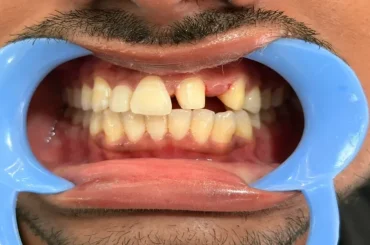
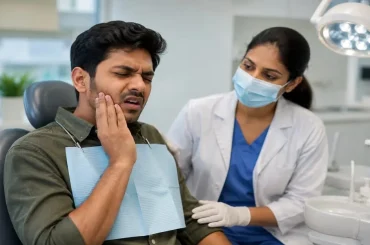
Some teens do not complain about crooked teeth at all. They complain that it hurts to chew bagels, their jaw clicks, or their front teeth do not meet right when they bite. Those signs matter because orthodontic issues are often functional before they become urgent. A poor bite can place extra pressure on certain teeth, wear enamel unevenly, and make meals uncomfortable.
You might see it during dinner. They chew on one side. They cut food into tiny pieces. They avoid apples, crusty bread, or anything that needs a strong bite. That can look like picky eating when it is really discomfort. Orthodontic care for teens is not just about straightening a smile. It can address bite alignment that affects everyday comfort and may reduce strain on the jaw over time.
Crowded Teeth and Cleaning Trouble Raise the Risk of Bigger Oral Health Issues
Even teens who brush and floss regularly can struggle when teeth overlap or rotate. Tight spaces trap food and plaque, and floss may shred or skip whole contact points. That creates an opening for cavities and gum irritation, especially during years when routines are already inconsistent.
The CDC’s oral health guidance for school age children and teens makes the connection clear. Oral health affects eating, speaking, learning, and attendance. When alignment makes home care harder, the problem is not just cosmetic. It is practical. A family dentist can evaluate whether your teen’s cleaning challenges are linked to crowding and whether teen orthodontic treatment could lower future dental trouble.
Speech Changes and Mouth Breathing Deserve a Closer Look
Some orthodontic concerns show up in ways parents do not expect. A teen may develop a slight lisp, struggle with certain sounds, or breathe mostly through the mouth, especially at night. Those patterns can be tied to jaw development, tooth position, or bite alignment. They can also overlap with other health issues, which is why a careful dental evaluation matters.
If your teen wakes with a dry mouth, snores, or always seems to have chapped lips from mouth breathing, do not brush it off as a habit. Teeth and jaw position can play a role. A family dentist can help sort out whether the issue is dental, airway related, or something that needs a broader health review.
Comparing Watchful Waiting With Early Orthodontic Evaluation
| Situation | Waiting Without Evaluation | Early Evaluation Through a Family Dentist |
|---|---|---|
| Mild crowding | Can worsen as adult teeth settle, cleaning stays difficult | Tracks changes early and helps time treatment well |
| Bite discomfort | Jaw strain and uneven tooth wear may continue | Identifies whether alignment is causing the pain |
| Low confidence about appearance | Self consciousness may grow during key social years | Gives your teen clear options and realistic expectations |
| Speech or mouth breathing concerns | Underlying issues may be missed or dismissed | Helps connect dental findings with next care steps |
Small Steps Now Can Prevent Bigger Stress Later
Track the patterns. Write down what you are seeing for two weeks. Note chewing problems, jaw pain, mouth breathing, speech changes, or moments when your teen hides their smile. Specific examples make dental visits more useful.
Ask direct questions at the next dental visit. Tell the family dentist exactly what your teen has been dealing with. Ask whether the bite looks functional, whether crowding is affecting hygiene, and whether monitoring or orthodontic referral makes sense.
Include your teen in the decision. Teens respond better when they feel informed, not managed. Explain what the dentist found, what treatment could help, how long it may take, and what daily care would look like. When they understand the reason for care, they are more likely to follow through.
Family Based Orthodontic Support Starts With Paying Attention
If your teen is showing any of these signs, you do not need to wait until the problem feels severe. Discomfort, cleaning trouble, self consciousness, and bite changes are enough reason to get a closer look. A family dentist can help you sort out what is normal, what needs watching, and what may benefit from treatment.
Paying attention now can spare your teen a lot of frustration later. Reach out to schedule an evaluation with a family dentist and get clear answers about the next step for your child’s smile, comfort, and confidence.