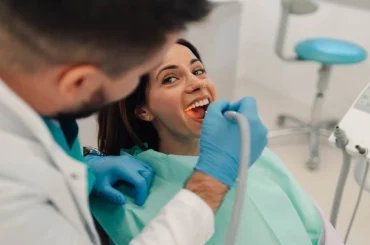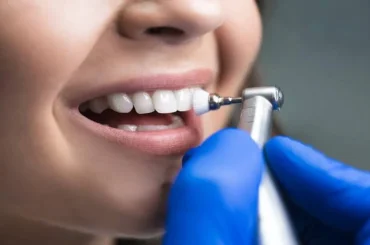
You may be keeping track of everyone else’s needs before your own. Medications, meals, rides to appointments, school schedules, work, and one more reminder buzzing on your phone. Dental care often slips into the background until someone has pain, trouble chewing, bleeding gums, or a broken filling. That is usually when stress spikes, because oral health problems rarely stay small for long. A Dekalb dentist can help you stay ahead of those issues before they become emergencies.
Caregiving changes the way a family handles routine health needs. A child may resist brushing. An older parent may have dry mouth from medication, trouble cleaning around bridges or dentures, or limited hand strength. You may be trying to figure out whose appointment comes first and what can safely wait. The short version is simple. Family dentistry and preventive care for caregivers works best when you treat dental visits as part of basic health maintenance, not as a last minute fix.
Preventive family dental care lowers stress before problems grow
Small dental issues can turn expensive and painful with very little warning. Plaque builds up quietly. Gum inflammation starts without much pain. A person who is tired, living with memory loss, or dealing with mobility limits may not say anything until eating becomes hard. Children do the same in a different way. They keep going until a cavity starts to hurt, then the whole week gets rearranged around an urgent visit.
That is where a family dentist helps. One office that understands different ages and stages can spot changes early, track patterns over time, and make it easier to keep regular appointments. For caregivers, that matters. Fewer surprises usually means fewer emergency costs, fewer missed work hours, and less scrambling to solve a problem that could have been prevented.
Prevention also has a daily side. Brushing twice a day with fluoride toothpaste, flossing, cleaning dentures, and keeping up with exams sound basic, but basic is what protects people. The CDC shares practical oral health tips for adults that support this routine, including brushing, flossing, and cutting back on tobacco use.
Caregivers often manage oral health for more than one generation
Many caregivers are not caring for one person. They are caring for several, often with very different needs. A young child may need sealants and coaching on brushing. A spouse may grind their teeth under stress. An older adult may be dealing with gum recession, tooth sensitivity, or dry mouth caused by blood pressure medicine, antihistamines, or antidepressants.
Dry mouth is easy to dismiss until cavities start forming around the gumline or a denture becomes uncomfortable. Bleeding gums are easy to ignore until brushing becomes painful and the person starts avoiding it. A missed cleaning can become a deeper cleaning. A chipped tooth can become an infection. This is why preventive family dental care matters so much in caregiving households. It gives you a plan before daily life gets louder.
The National Institute on Aging offers clear guidance on taking care of your teeth and mouth, including warning signs to watch for in older adults. The National Institute of Dental and Craniofacial Research also provides helpful oral health information for older adults, especially for people managing age related dental changes.
Home care and professional family dentist visits serve different roles
Home care is where prevention starts, but it cannot replace a trained exam and cleaning. You can help someone brush better, switch them to a softer toothbrush, or remind them to clean a denture each night. You cannot remove hardened tartar at home or reliably catch decay between teeth. You also cannot see the early signs of gum disease, oral infection, or bite problems the way a dental team can.
| Approach | What It Helps With | Limits | Likely Result Over Time |
|---|---|---|---|
| Daily home care | Plaque control, fresher breath, comfort, habit building | Cannot remove tartar or diagnose hidden issues | Strong first line of defense when done consistently |
| Delayed, symptom based care | Addresses pain after it starts | Often misses early disease and raises treatment costs | More urgent visits, more disruption, more expense |
| Routine visits with a family dentist | Cleanings, exams, X rays when needed, early treatment | Requires scheduling and follow through | Fewer surprises and better long term oral health |
This is the practical difference many caregivers feel. Waiting seems easier in the moment, but it often creates harder weeks later. Routine care asks for planning up front and gives back stability.
Family oral health support works better with simple systems
You do not need a perfect routine. You need one that survives real life. If someone in your care has arthritis, a larger toothbrush handle or electric brush may help. If memory is an issue, keep denture cups, floss picks, and toothpaste in the same visible place every day. If a child fights brushing at night, shorten the battle and focus on consistency instead of a flawless two minute performance every single time.
Step 1: Build one shared dental calendar
Put cleanings, follow ups, and daily reminders in one place. Caregivers lose time when appointments are scattered across notes, texts, and memory. One calendar reduces missed visits and helps you group family appointments when possible.
Step 2: Watch for small changes and act early
Pay attention to bleeding gums, mouth sores, bad breath that does not improve, loose dentures, sensitivity, trouble chewing, and complaints that food feels stuck. These are often early signs, not minor annoyances. Calling a family dentist early usually leads to easier treatment.
Step 3: Make home care easier, not stricter
Choose tools that match the person. Soft bristles, fluoride toothpaste, floss holders, water flossers, denture brushes, and bedside water can make the routine more realistic. For many families, the best family dentist support starts with home habits that people can actually keep.
Steady preventive care protects the whole household
Caregiving already asks a lot from you. Dental care should not become another crisis waiting to happen. Regular checkups, practical home routines, and early attention to changes can protect comfort, nutrition, sleep, and your budget at the same time. That is the real value of family dentistry in a caregiving home. It keeps small problems from taking over your week.
If you have been putting off routine visits, this is a good time to schedule them and get everyone back on track with a trusted family dentist.