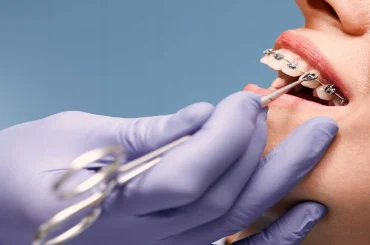
You may already know a partial denture can fill the gaps left by missing teeth, but the part that often gets missed is what holds it all together. The natural teeth that support a partial denture do a lot of work every day. They help keep the appliance stable, they take pressure when you chew, and they need to stay healthy if you want the denture to fit and function well. If you have been told you need a partial, or you already wear one and something feels off, a visit to a Lowell dental clinic can bring up a lot of worry fast.
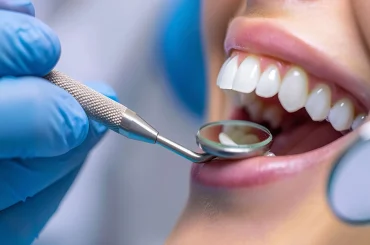
A family dentist does not just look at the missing teeth. They check the remaining teeth, the gums, the bite, and the bone support around those teeth. They are looking for decay, looseness, gum problems, worn enamel, and any sign that the teeth carrying the load are under stress. That careful review shapes whether a partial denture is likely to work well now and keep working later.
Family dentists evaluate the teeth that will carry the partial denture
The supporting teeth are often called abutment teeth. These are the natural teeth a partial denture may clasp onto or rest against. If one of those teeth has a hidden cavity, a cracked filling, or early gum disease, the denture can turn a small problem into a bigger one. Pressure from chewing can make a weak tooth fail sooner.
This is why a family dentist partial denture exam usually starts with a full mouth check. The dentist looks for soft spots that suggest decay, checks old crowns and fillings, and tests whether each support tooth is stable. They also examine the gumline because inflammation there can mean the tooth is losing support. If you want to understand how gum disease affects tooth stability, the National Institute of Dental and Craniofacial Research explains the warning signs on its page about gum disease.
X rays often matter as much as what can be seen in the mirror. A tooth can look fine above the gums and still have bone loss, decay between teeth, or infection near the root. If a support tooth is not strong enough, the dentist may recommend treating it first, choosing a different denture design, or using another tooth for support.
The bite and gum health affect how a partial denture performs
Fit is not just about the denture itself. It is also about how your upper and lower teeth meet. If your bite is uneven, one support tooth may take too much force every time you chew. That can lead to soreness, loosening, or wear. You might notice the denture shifts when you eat, or one side feels higher than the other. Those small clues often point back to the teeth underneath.
Gum health plays a similar role. Swollen or receding gums can change how a partial sits, even if the denture was made well. A dentist checks for bleeding, pocketing around teeth, and signs that plaque is building up around clasp areas. This matters because a partial denture can trap food and make brushing more difficult if the design and home care are not working together.
Decay is another common concern. Support teeth are at higher risk when plaque collects around metal clasps or near the gumline. The NIDCR offers a clear overview of how cavities start and spread on its page about tooth decay. If your dentist finds early decay, treating it before the partial is finalized can protect the tooth that the denture depends on.
Checking natural teeth for a partial denture prevents avoidable problems
People sometimes assume the denture solves the problem by itself. It does not. A partial works best when the remaining teeth are healthy enough to share the job. That is why checking natural teeth for a partial denture is not a side step. It is part of the treatment.
If one support tooth is loose and ignored, the partial may start rocking. If a clasp sits on a tooth with untreated decay, pain can show up after the denture is delivered. If gum disease is active, the support tooth may slowly lose the bone that keeps it firm. At that point, the denture may need to be remade, adjusted, or stopped altogether.
For a broad patient guide, MedlinePlus explains the basics of dentures, including how they replace missing teeth and why follow up care matters.
Key findings during a partial denture support tooth exam
| What the dentist checks | Why it matters | What may happen next |
|---|---|---|
| Tooth decay | Cavities weaken support teeth and can worsen under clasps | Filling, crown, or design change before denture delivery |
| Gum inflammation or bone loss | Loose teeth cannot reliably support a partial | Periodontal treatment and recheck |
| Cracks, worn enamel, old restorations | Weak surfaces may fail under chewing pressure | Repair, crown, or alternate support planning |
| Bite alignment | Uneven force can tip or strain the denture | Bite adjustment or revised denture design |
| Oral hygiene around support teeth | Plaque buildup raises the risk of decay and gum disease | Cleaning advice and home care changes |
Simple steps help protect the teeth supporting your partial denture
Schedule an exam before committing to the final denture. If you are replacing missing teeth, ask whether the remaining teeth are healthy enough to support the appliance. A proper review can save you from paying for a denture that needs major changes soon after placement.
Pay attention to small changes. Soreness when chewing, a clasp that feels tight, food trapping near one tooth, or a denture that starts rocking are not minor annoyances. They can be signs that a support tooth or gum area is struggling.
Clean the denture and support teeth as a team. This is not only about soaking the appliance. Brush the natural teeth carefully around clasps and at the gumline, because those areas tend to collect plaque first. Regular cleanings with your family dentist help catch early trouble before a support tooth is lost.
Strong support teeth give a partial denture a better chance to last
If you feel uneasy about getting a partial denture, that makes sense. The appliance gets most of the attention, but the real question is whether the natural teeth underneath can handle the job. A careful review from a family dentist helps protect those teeth, improve fit, and reduce the chance of pain or expensive repairs later.
When the support teeth are healthy, the partial has a better foundation. When they are not, treating those problems first is often the smartest move.