You might be feeling a mix of relief and pride now that the braces are off or the aligners are done. After months, and sometimes years, of appointments, sore teeth, and changing routines, it can seem like the hard part is finally behind you. Then you hear one more instruction from your Chicago orthodontist. Wear your retainer. It is easy to wonder if that last step really matters as much as everything that came before it.
It does, and that is the short answer. Teeth can shift after treatment, sometimes faster than people expect, which is why retainers matter so much after orthodontic care. If you want the smile you worked for to stay where it is, wearing a retainer is not an extra chore. It is what helps protect the result.
Why do teeth move after braces or aligners are done?
This is where many people get frustrated. You followed the plan, showed up to visits, and made it through treatment. So why would your teeth try to move again? The simple reason is that teeth are not fixed in concrete. They sit in bone and are held by tissues that can adapt over time. Even after treatment ends, those tissues need time to settle into their new positions.
Because of this, skipping a retainer for days, weeks, or months can allow small changes to start. At first, the shift may be hard to notice. A tight fit when you try the retainer again might seem minor. But that tightness is often the first clue that your teeth are already moving. If enough time passes, those changes can turn into crowding, spacing, or bite problems that may need more treatment to correct.
Research supports that long term retention matters. A systematic review on orthodontic retention looked at how different retention approaches help maintain tooth position after treatment. Another study on long term orthodontic stability adds to the concern many patients already feel, which is that relapse can happen even after successful treatment if retention is not managed well. If you have ever thought, “Surely missing a few nights cannot matter,” you are not alone. But over time, it can.
So what makes retainers after braces so important in daily life?
The answer is not only cosmetic. Yes, most people want to keep their smile straight, and that matters. But retention can also help preserve how your teeth come together when you bite, how easy they are to clean, and how stable the whole result feels over time. When teeth shift, brushing and flossing can become harder in crowded areas, and that can raise the risk of plaque buildup and gum problems.
There is also the emotional side, which people do not always talk about enough. You may have spent a lot of money on treatment. You may have planned around school, work, or family life to make every visit. If your teeth begin to move back, it can feel discouraging, even unfair. That is why the importance of wearing retainers goes beyond a simple rule from your orthodontist. It protects your time, effort, and investment.
If you want a broad overview of orthodontic treatment and aftercare, MedlinePlus explains orthodontia in plain language, including the basics of how treatment works and why follow through matters.
What can happen if you stop wearing your retainer too soon?
Sometimes the change is gradual. A front tooth twists a little. A lower tooth starts to overlap. A small gap opens where there was none before. In other cases, the bite feels off first, even before the shift is visible. You may notice that chewing feels different or that the retainer no longer seats fully.
What if you only stopped for a short time? In some cases, your retainer may still fit and help hold things in place once you restart. What if it no longer fits? That usually means it is time to call an orthodontist rather than force it. Forcing a retainer can hurt your teeth and gums, and it may damage the appliance itself.
How do fixed and removable retainers compare?
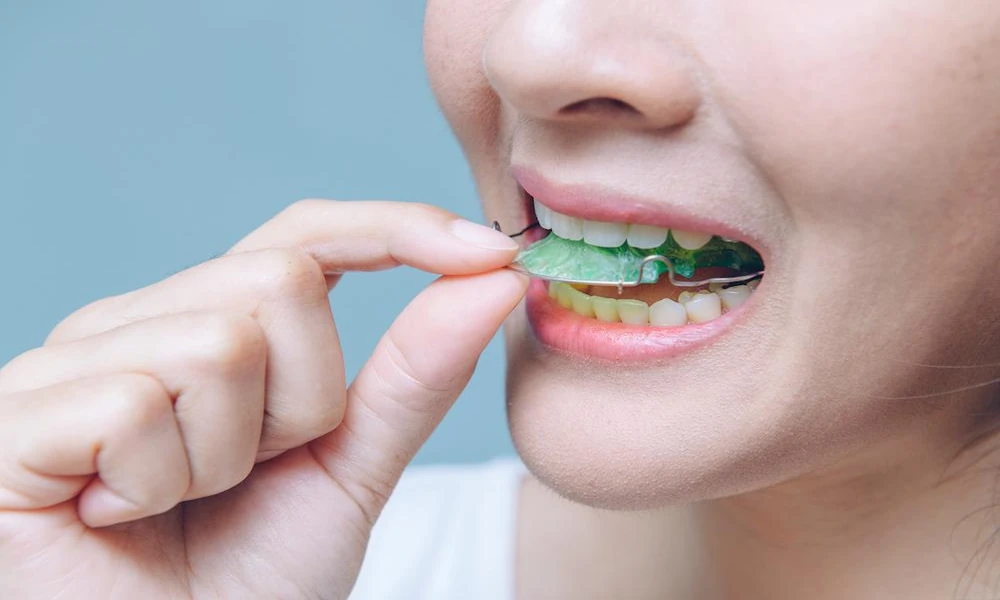
Both options can work well, but they ask different things from you. One depends more on habit. The other depends more on maintenance and monitoring. A simple side by side view can make the choice easier to understand.
| Type of retainer | How it works | Main benefit | Main concern |
|---|---|---|---|
| Removable retainer | You wear it as directed, often full time at first and then at night | Easy to clean and remove for meals | It only works if you remember to wear it |
| Fixed retainer | A thin wire is bonded behind certain teeth | Always in place, so there is less chance of forgetting | Needs careful cleaning and regular checks in case it loosens or breaks |
So, where does that leave you? Not with one perfect answer for everyone. Your bite, age, treatment history, and habits all matter. That is why a custom plan from an orthodontist is so important after active treatment ends.
What are three smart steps you can take right now?
1. Follow the wear schedule exactly. If your orthodontist says every night, aim for every night. If they say full time for a period, do not scale it back on your own because your teeth “feel fine.” Teeth can shift before you feel or see the difference.
2. Check the fit and condition of your retainer. If it feels tighter than usual, cracked, bent, or loose, pay attention. Clean it as directed, store it in its case, and keep it away from heat and pets. A damaged retainer cannot do its job well.
3. Keep follow up visits on the calendar. Retention is part of orthodontic treatment, not an afterthought. Regular check ins can catch early movement, repair a fixed retainer, or replace a lost removable one before a small issue becomes a bigger one.
When you have finished treatment, what protects your smile next?
Usually, it is not another big procedure. It is the steady habit that comes after. That is the heart of post orthodontic retention. It may feel less exciting than getting braces off, but it is often what keeps the result from slipping away.
You have already done the hardest part. Now the goal is to hold onto the progress you earned. If you have questions about your retainer, your wear schedule, or changes in your teeth, reach out to an orthodontist and get guidance before the movement gets worse.