You might be doing what a lot of people do. You brush, you floss when you remember, and you tell yourself you will book a dental visit when life slows down. Then a little tooth sensitivity shows up, or your gums bleed one morning, and suddenly that small delay feels heavier than it should. If that sounds familiar, you are not alone. Dental care often gets pushed aside until something hurts, and some people even start thinking about options like clear aligners in Livermore.
That is exactly why the 3 Key Benefits Of Scheduling Biannual General Dentistry Visits matter so much. Seeing a general and cosmetic dentist twice a year can help catch problems early, lower the chance of painful and expensive treatment later, and keep your whole mouth healthier over time. It is a simple habit, but it can change what happens next.
Why do twice yearly dental checkups matter before anything feels wrong?
One of the hardest things about oral health is that many problems stay quiet at first. A cavity can begin without pain. Gum disease can start with mild redness or bleeding that seems easy to ignore. Even a cracked filling may not be obvious until it turns into a bigger issue. Because of that, skipping routine care can feel harmless right up until it is not.
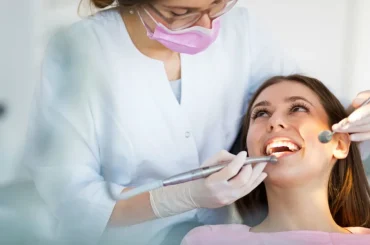
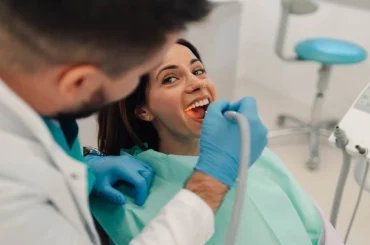
A regular six month dental checkup gives your dentist a chance to spot these issues early, when treatment is often simpler and easier on your budget. During a professional exam, your dentist can look for signs of decay, gum changes, bite concerns, and other oral health problems that are easy to miss at home. If you want a clear overview of what a dental exam may include, this dental exam guide from MedlinePlus is a helpful place to start.
So, what is the first major benefit? Early detection. It is much easier to treat a small cavity than a deep infection. It is easier to manage mild gum inflammation than advanced periodontal disease. When you go in twice a year, you give yourself more chances to stay ahead of trouble instead of reacting to it.
How can regular dental visits save you money and stress?
Most people do not avoid the dentist because they do not care. They avoid it because time is tight, money is tight, or they are worried about what they might hear. That fear makes sense. Still, waiting often makes treatment more involved.
Think about a common what if scenario. What if a small area of decay is found during a routine cleaning and exam? That may only need a simple filling. But if the same area goes unchecked for a year or two, it could reach the nerve and require a root canal or even an extraction. The emotional difference matters too. A routine visit is usually calmer than an urgent appointment when you are already in pain.
This is the second major benefit of routine dental visits. They can reduce long term costs and prevent the stress that comes with surprise dental problems. Preventive care is not about adding one more thing to your list. It is about avoiding the kind of disruption that can throw your week, your budget, and your peace of mind off balance.
What does preventive dental care do for your overall health?
Your mouth does not exist apart from the rest of your body. Gum inflammation, plaque buildup, dry mouth, grinding, and oral infections can all affect daily comfort and long term health. When your dentist tracks these changes over time, you get more than a quick cleaning. You get continuity. That matters.
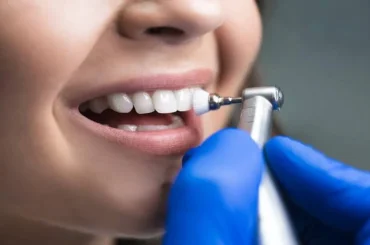
This is the third big benefit. Preventive care supports whole mouth health and stronger daily habits. A biannual visit gives you professional cleaning that removes buildup you cannot fully handle at home, even with good brushing. It also gives you personalized guidance. Maybe you need a softer toothbrush, better flossing technique, or help with clenching and wear. The right advice at the right time can make home care more effective.
If you want practical support for your routine between visits, the National Institute of Dental and Craniofacial Research offers useful tips on oral hygiene. Small habits, repeated over time, often make the biggest difference.
What is the difference between waiting for pain and scheduling biannual general dentistry visits?
Sometimes it helps to see the contrast clearly. Pain based care can feel easier in the short term, but preventive care usually gives you more control.
| Approach | What It Often Looks Like | Likely Outcome |
|---|---|---|
| Biannual dental visits | Routine exams, cleanings, early X rays when needed, small issues found sooner | Lower risk of major treatment, steadier costs, less stress |
| Waiting until pain starts | Delayed care, hidden decay or gum problems, emergency scheduling | More discomfort, higher chance of larger procedures, more disruption |
That does not mean every skipped visit leads to a crisis. But it does mean the odds shift. The longer problems go unseen, the fewer simple options you may have.
What can you do now if you have been putting off the dentist?
1. Put the next two visits on your calendar.
If you only book when you remember, it is easy to let months turn into years. Set your next appointment, then schedule the following one before you leave. That simple move turns intention into a system.
2. Pay attention to small warning signs.
Bleeding gums, bad breath that lingers, sensitivity to cold, jaw soreness, and food getting stuck in one area can all mean something is changing. You do not need to panic, but you also do not need to wait for sharp pain before acting.
3. Treat home care as support, not a substitute.
Brushing and flossing matter every day, but they work best alongside professional care. General dentistry is not only for fixing problems. It helps prevent them, monitor changes, and keep your routine on track.
Could a simple twice yearly habit make dental care feel easier?
For many people, yes. The value of 3 Key Benefits Of Scheduling Biannual General Dentistry Visits comes down to this. You catch issues earlier, you reduce the chance of bigger costs and stress later, and you protect your oral health in a steady, manageable way. That is not about perfection. It is about giving yourself a better path forward.
If it has been a while since your last appointment, that is okay. You can start from where you are and take the next step now.